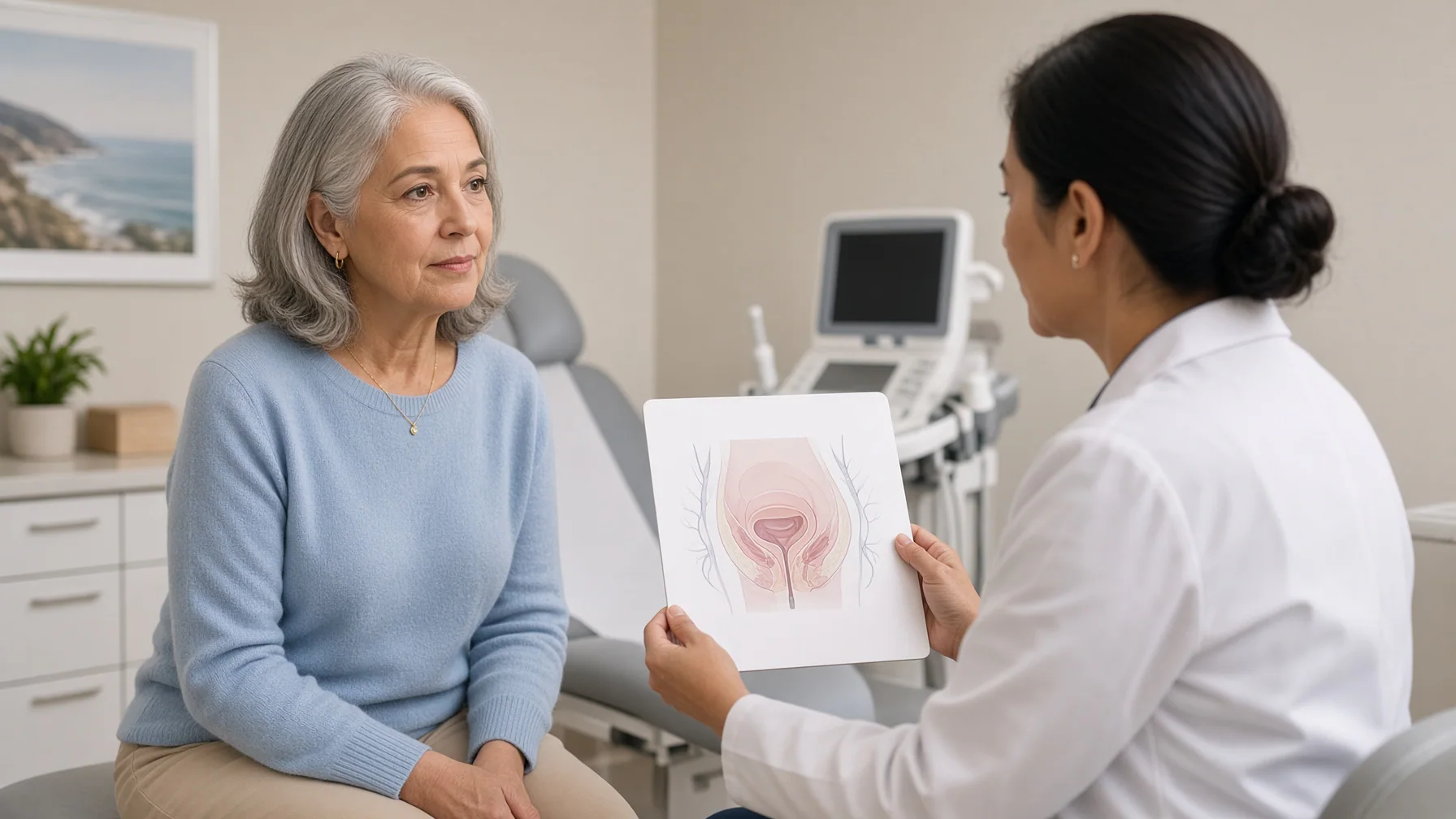
A new pilot study is examining whether microablative fractional radiofrequency changes vaginal tissue in postmenopausal women experiencing genitourinary syndrome of menopause, a condition associated with dryness, urinary symptoms and painful sex. The Menopause Society published the study preview on October 13, 2026, ahead of a presentation scheduled for its annual meeting in San Diego from October 20 to 24.
The research focuses on tissue-level changes rather than relying only on symptom questionnaires. In postmenopause, declining estrogen can make vaginal tissue thinner, less elastic and more fragile. Those changes may contribute to discomfort during sex, burning, urinary urgency and recurrent urinary problems. The study asks whether radiofrequency treatment produces measurable changes in epithelial thickness and stromal collagen fibers.
The early findings are deliberately limited. The Menopause Society says tissue responses varied substantially among participants and were not statistically significant in this small pilot. That means the work does not yet show that the treatment reliably improves sexual comfort, restores sensation or outperforms established options. It does, however, move the discussion beyond broad claims about “rejuvenation” by asking what happens biologically after treatment.
That distinction matters because energy-based vaginal therapies have attracted interest while evidence remains uneven. A separate 2026 pilot randomized trial comparing fractional radiofrequency with topical estriol reported improvements in vaginal health, sexual-function scores and urinary symptoms in both groups, while finding different advantages across outcomes. Its small sample and short treatment period also limit how confidently the results can be generalized.
For women dealing with painful sex after menopause, the current evidence supports assessment and individualized care rather than a one-size-fits-all procedure. Lubricants, moisturizers, vaginal estrogen, pelvic-floor care and other treatments may be considered according to symptoms, medical history and personal preference. The new study’s next important step is the full presentation of its methods, participant numbers, follow-up data and safety findings at the Menopause Society meeting.