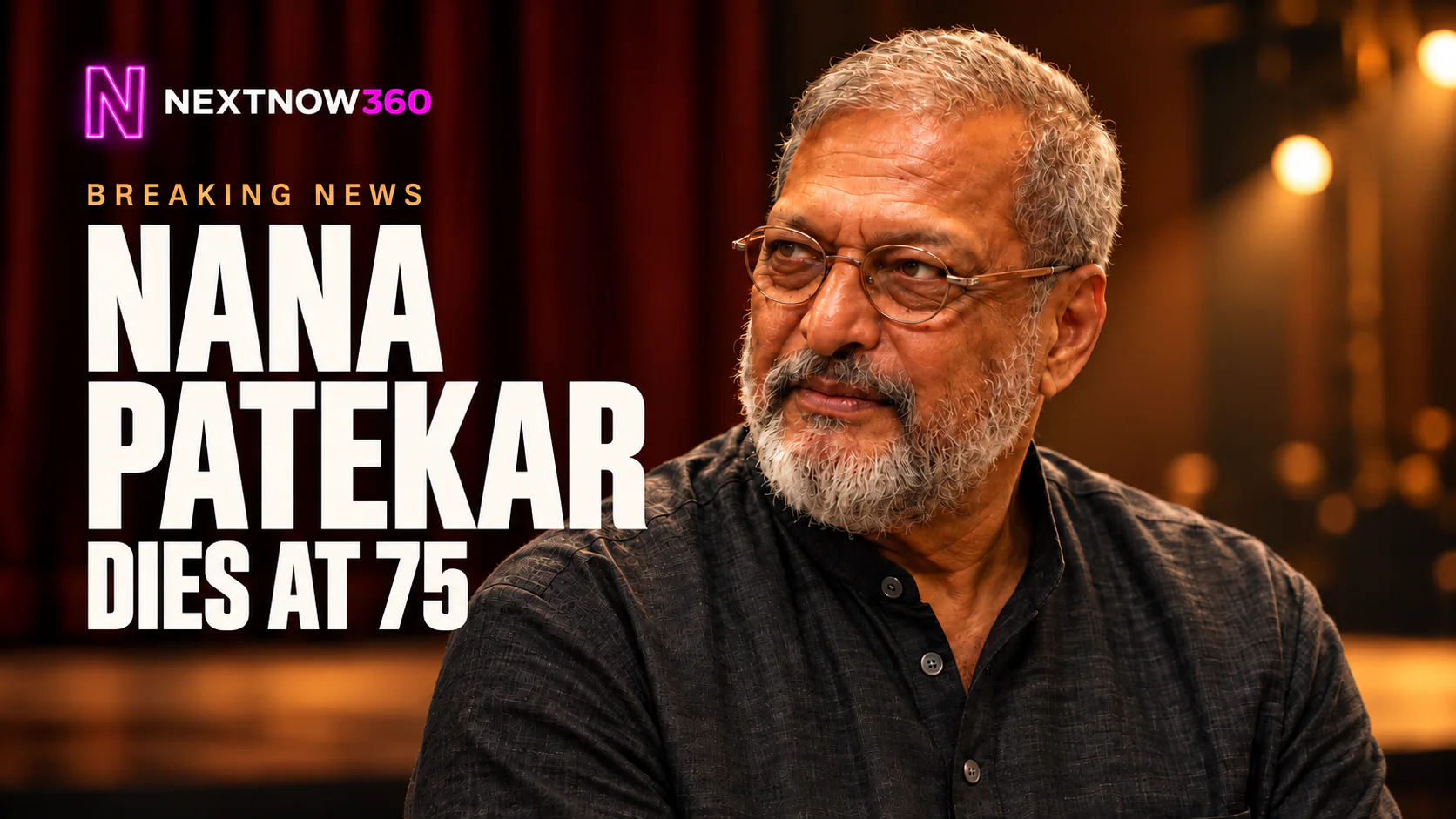
Veteran actor and filmmaker Nana Patekar died at the age of 75 on Thursday, October 8, after suffering a cardiac arrest at his residence in Dona Paula, Goa. Current reports citing Manipal Hospital and news agency ANI said he was found unconscious and taken for emergency treatment, where doctors attempted resuscitation for roughly 45 minutes. He was declared dead in the early morning. A medico-legal case has been registered and a post-mortem examination is expected as part of the formal process.
Prime Minister Narendra Modi led the national tributes, describing Patekar as an actor with “intensity, individuality and unmistakable presence.” Modi said his versatility and creativity produced characters that would be remembered for generations, while also noting the actor’s frank and forthright public voice. The tribute placed Patekar’s death beyond a routine film-industry condolence, recognising his influence across both Hindi and Marathi cinema.
Few actors possessed the intensity, individuality and unmistakable presence that Shri Nana Patekar Ji had. — Narendra Modi
Patekar’s career stretched across theatre, Marathi cinema and mainstream Bollywood after his screen debut in Gaman in 1978. His performances in films including Parinda, Krantiveer, Agni Sakshi, Ab Tak Chhappan and The Vaccine War established a dramatic style built on compressed anger, sharp dialogue delivery and emotionally volatile characters. He also showed a contrasting comic register as Uday Shetty in Welcome, a role that made his intensity accessible to a wider commercial audience.
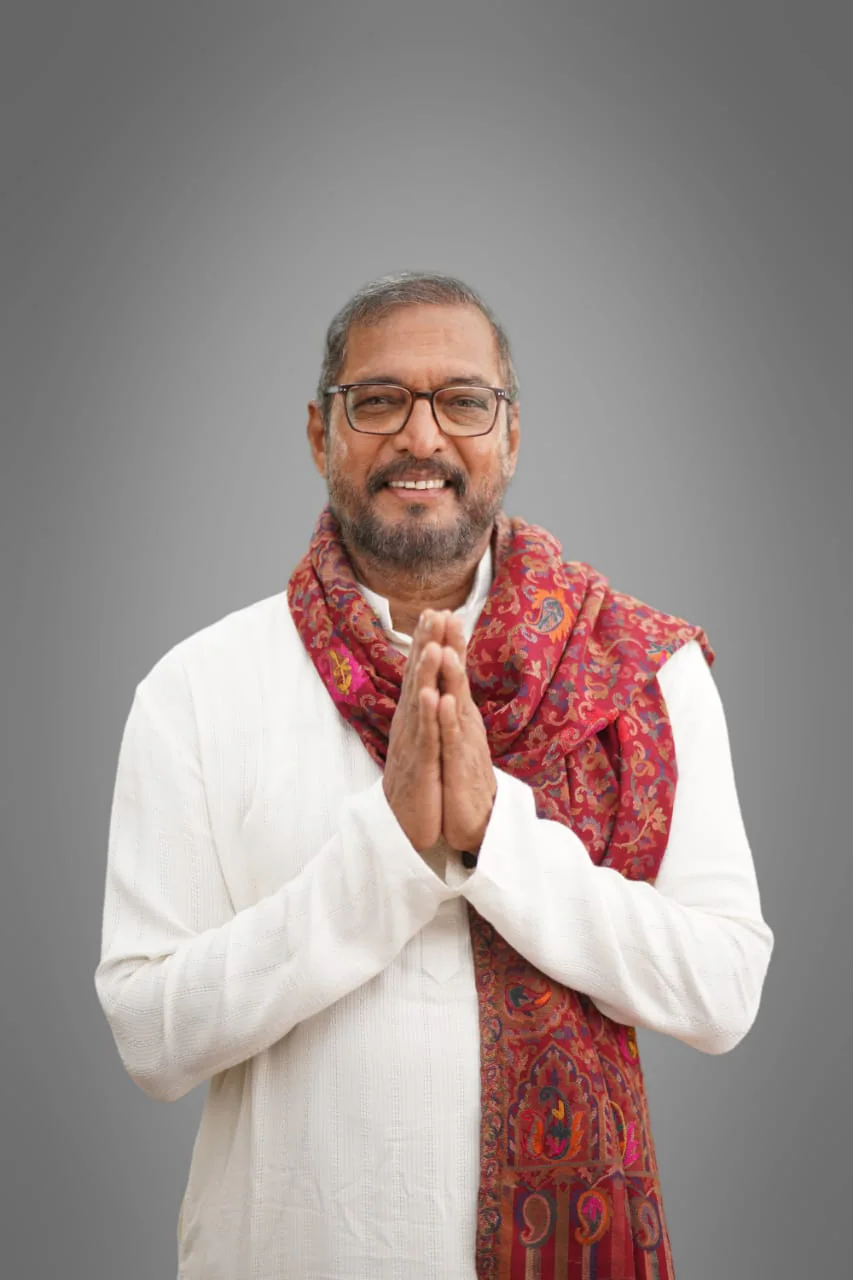
Tributes also highlighted the actor’s work outside the screen. Union minister Nitin Gadkari recalled a close friendship and praised Patekar’s contribution to farmer welfare, water conservation and watershed work through the Naam Foundation. Patekar’s public identity therefore combined major acting honours, including the Padma Shri, with a long association with rural relief efforts in Maharashtra.
The actor’s final widely reported public appearance came at a Samraat Club International installation ceremony in Goa on October 4, four days before his death. Reporting available at research time had not independently confirmed the owner-input claim that he would be accorded a state funeral. What is confirmed is that Patekar’s death has prompted immediate tributes from the prime minister, ministers and film colleagues, closing a five-decade career whose defining legacy was the rare ability to move from political intensity to popular comedy without losing his unmistakable presence.