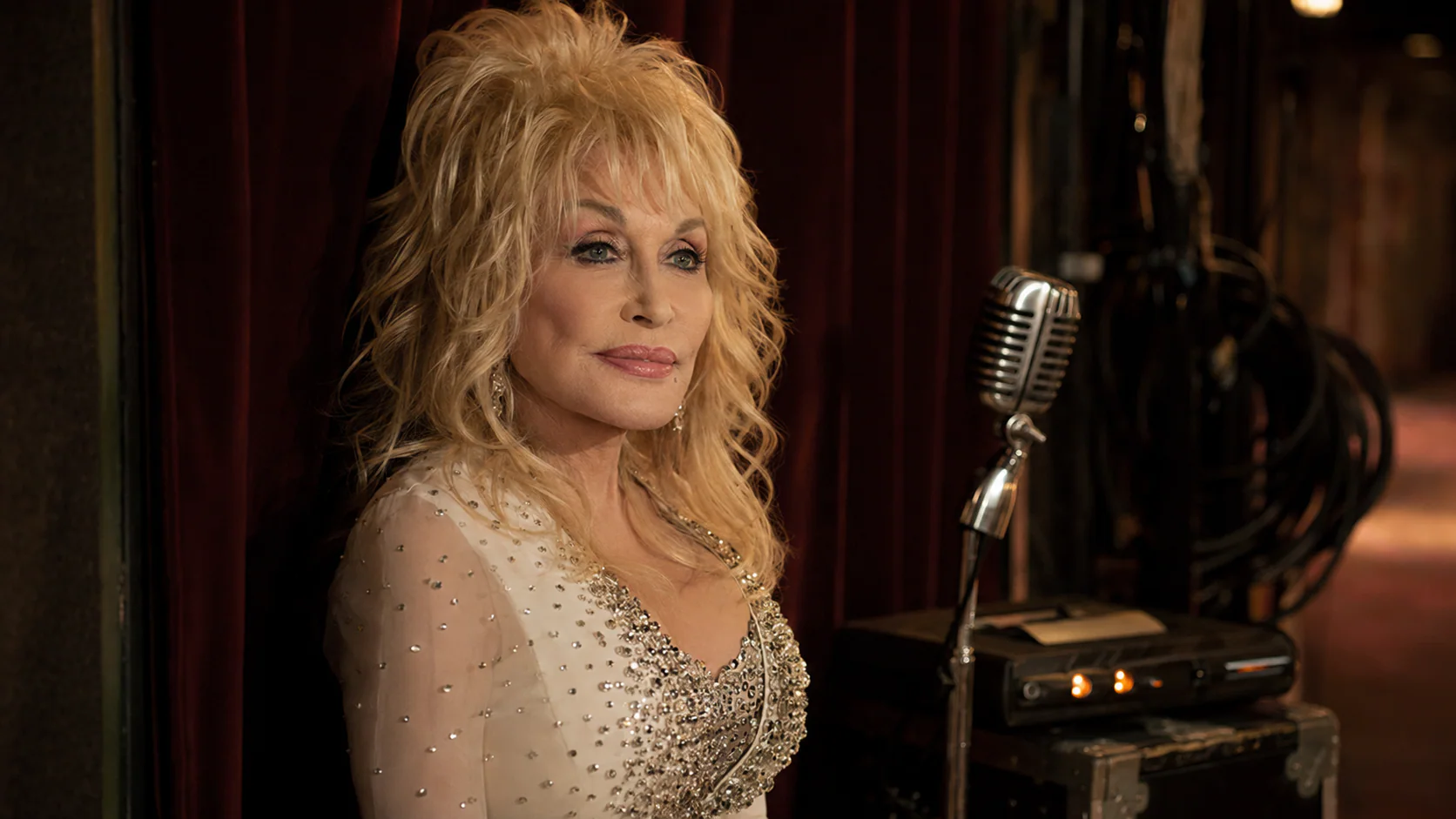
Dolly Parton’s death at 80 has prompted an international wave of tributes from musicians, actors, broadcasters and cultural institutions, turning the country icon’s passing into one of the week’s defining entertainment stories.
Parton died peacefully in Nashville, Tennessee, on August 25, 2026, after a brief battle with cancer, according to a statement from her publicist and family representatives. Her death was also confirmed by CBS News, which aired a primetime special examining her work across music, television, film, publishing and philanthropy.
The first tributes have emphasized the breadth of Parton’s influence rather than a single hit or performance. Kacey Musgraves, Keith Urban, Reba McEntire, Jane Fonda and other prominent figures publicly mourned an artist whose career connected country music with mainstream pop, Hollywood and American cultural life.
Parton’s screen legacy remains central to the response. Her performances in films including *9 to 5*, *The Best Little Whorehouse in Texas* and *Steel Magnolias* made her a recognizable film presence, while her songs became part of the emotional vocabulary of several generations. “I Will Always Love You,” later transformed into a global pop standard by Whitney Houston, remains one of the clearest examples of her songwriting reach.
Her philanthropy gives the story a second major dimension. Through the Dollywood Foundation and its Imagination Library, Parton supported early-childhood literacy on a scale that extended far beyond the entertainment industry. Her final public projects also reflected that combination of commercial visibility and social purpose, including a new version of “Light of a Clear Blue Morning” released with proceeds benefiting pediatric cancer research.
The immediate coverage is likely to develop along two tracks: remembrance of Parton’s artistic catalogue and renewed attention to the institutions, businesses and charitable programs she built. Sony Music described her as a trailblazer whose legacy was measured not only in songs but also in lives changed.
Parton’s death closes the career of an unusually durable public figure—one who moved effortlessly between the stage, screen, business, children’s literacy and American popular culture.