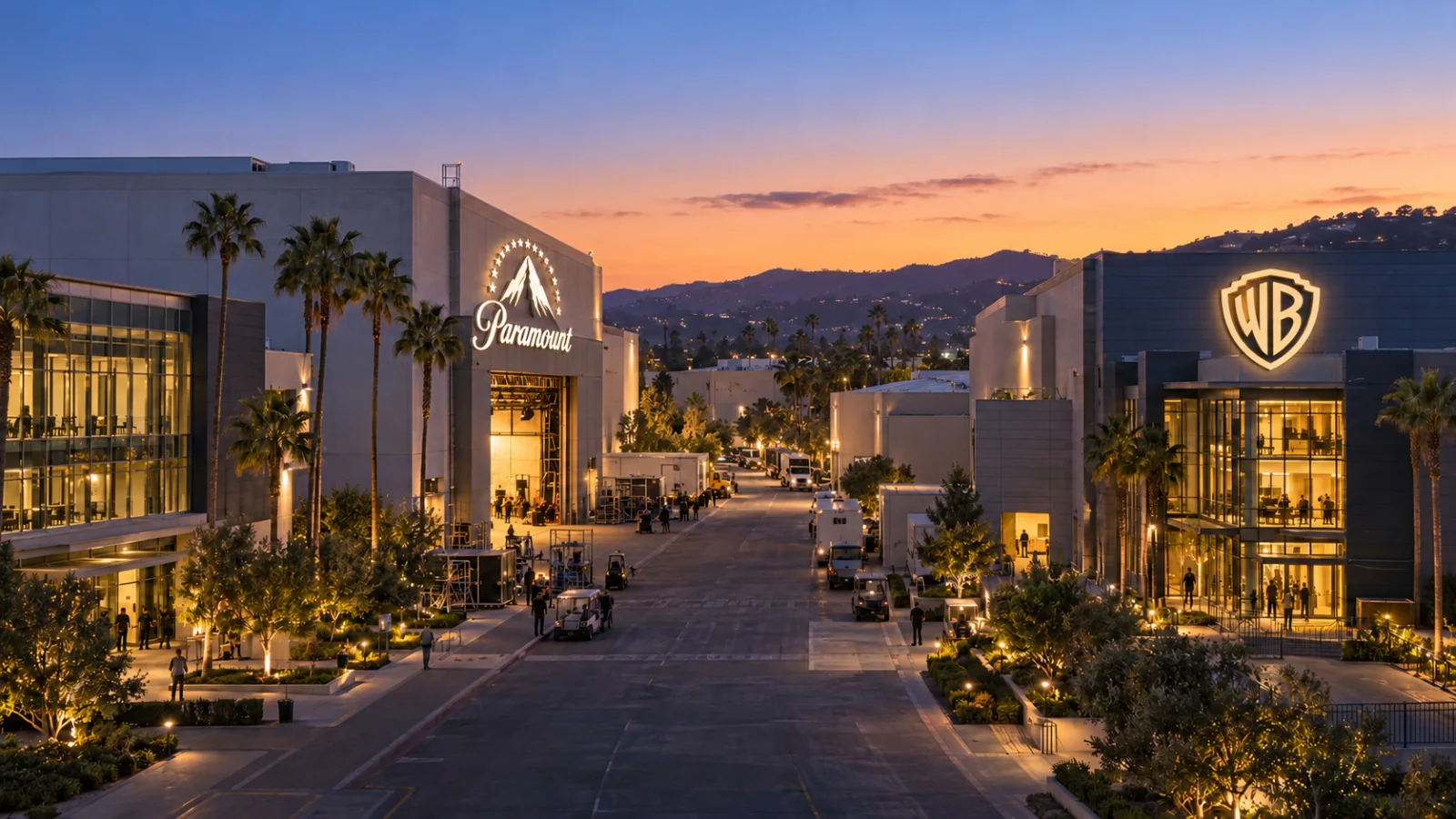
The proposed Paramount-Warner merger has cleared a major legal obstacle after states reached a settlement in the lawsuit challenging the $81 billion transaction. The development removes one of the most significant barriers facing a deal that could bring together two major Hollywood studio groups, television networks and streaming businesses.
The agreement does not make the transaction an immediate fait accompli. It resolves the states’ lawsuit under terms that include commitments from Paramount, including increased film production in the United States, a fund for workers displaced by the merger and additional monitoring related to the editorial independence of news operations. Those conditions form the concrete substance of the latest development.
The possible combination would unite extensive entertainment assets and libraries associated with Paramount and Warner. The proposed footprint reaches beyond theatrical films. It includes television operations and streaming platforms, meaning the eventual impact could be felt in content commissioning, distribution strategy, licensing and the competitive structure of the American media market.
The story is significant because consolidation has become one of Hollywood’s defining business pressures. Studios are balancing expensive productions, shifting audience habits and the cost of maintaining global streaming services. A transaction of this scale would therefore be judged not only by its headline valuation but also by how it changes production priorities, employment and the availability of programming across platforms.
The settlement terms also make the development more than a procedural court update. Commitments involving domestic film production and displaced workers address some of the public-interest concerns raised by the proposed combination. Monitoring of news editorial independence adds a separate safeguard because the companies’ operations extend beyond entertainment into major news brands.
The confirmed position is that a key lawsuit has been settled and the merger has moved past a major hurdle. The next stage remains regulatory and transactional completion, not an assumption that the combined company is already operating.