Alex Gibney’s documentary *Musk* is now the subject of a fresh warning from its director: the film is not simply a portrait of a controversial billionaire, but an examination of how money, technology and political access can combine into extraordinary influence. The Oscar-winning filmmaker’s latest interview arrives as the nearly four-hour documentary moves through its U.S. theatrical release, giving the film a timely second life beyond its festival premiere.
In a recent Democracy Now! conversation, Gibney described the “anomaly in the matrix” associated with Elon Musk as a metaphor for money inside the American political system. The phrase originated in reported text messages shown in the documentary, in which Ashley St. Clair recounts Musk referring to an “anomaly” and “10,000 lasers in space” before the 2024 presidential election. The film does not prove that Starlink altered votes, and election officials and cybersecurity experts have rejected claims that the satellite network changed vote tabulation.
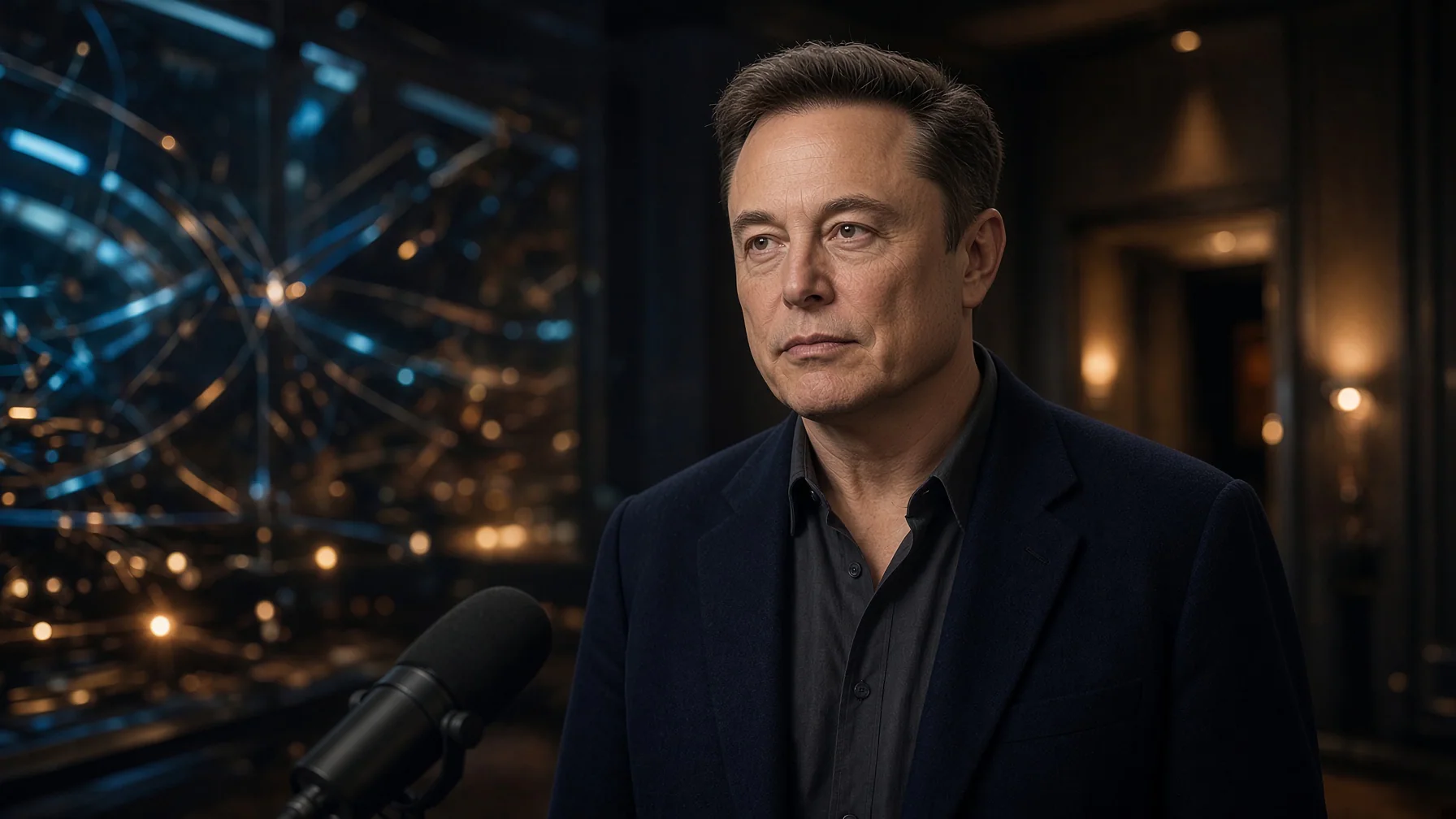
That distinction is central to the documentary’s controversy. Musk did not participate in Gibney’s interviews, while the film uses archival material, interviews with people connected to him and an AI-generated avatar built from his public statements. Apple’s official listing describes the film as an investigation of Musk’s transformation from celebrated technology entrepreneur into a polarizing figure whose business interests, political activity and public communication operate across multiple systems at once.
The release has also become part of the story. Musk has attacked Gibney publicly and his legal team has threatened action over the documentary’s treatment of the election-related material. The Associated Press reported that Gibney and the film’s team responded by building a fact-focused social-media presence while several platforms initially resisted paid promotion of the trailer over political-content concerns. That creates an unusual feedback loop: the subject’s attacks amplify attention to a film arguing that concentrated influence can shape what audiences see.
The most defensible conclusion is narrower than the film’s most provocative implications. The available reporting documents cryptic messages, a dispute over their meaning, a released documentary and a public legal confrontation. It does not establish election interference by Starlink. What it does show is why Gibney sees Musk as a case study in modern power: a private individual whose companies, platform ownership, government relationships and political spending intersect at a scale that traditional profiles struggle to contain.