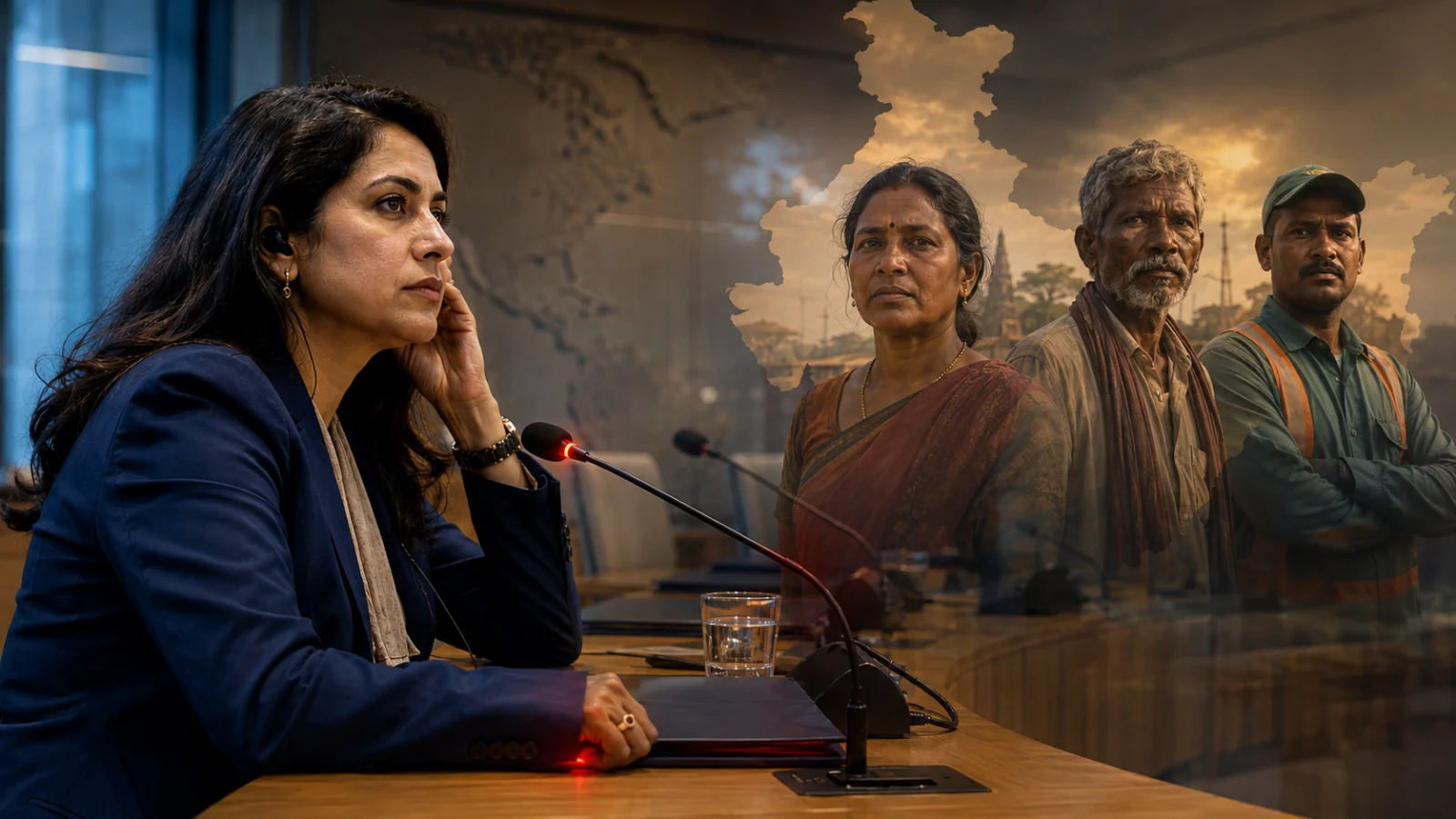
The United Nations Committee on the Elimination of Racial Discrimination has issued findings on India that raise serious concerns about alleged abuses affecting Dalits, Scheduled Tribes, Indigenous communities, ethnic and ethno-religious groups and non-citizens.
The committee’s findings, published on August 25 after its latest review session, cite reports of excessive use of force, arbitrary and prolonged detention, torture, sexual violence and extrajudicial killings. The language places India’s domestic rights record under fresh international scrutiny without constituting a court judgment or a finding that every allegation has been proven.
The review is significant because it addresses discrimination across several vulnerable groups rather than focusing on one isolated incident. The committee also examined India’s implementation of obligations under the International Convention on the Elimination of All Forms of Racial Discrimination, giving the findings a treaty-monitoring context.
The UN statement specifically identifies concerns involving Scheduled Castes, including Dalits, Scheduled Tribes, Indigenous and tribal peoples, ethnic and ethno-religious groups and non-citizens. That breadth means the document can become relevant to Indian-American and broader South Asian diaspora organizations that track minority rights, citizenship policy, policing and accountability.
The findings are recommendations from a UN treaty body, not an order that automatically changes Indian law. Their practical effect will depend on how New Delhi responds, whether authorities provide additional information and whether civil-society groups use the document in domestic or international advocacy.
The committee’s publication adds an authoritative international record to ongoing debates over equal protection and state accountability in India. The next concrete development will be the Indian government’s response to the recommendations and any follow-up reporting required through the treaty process.