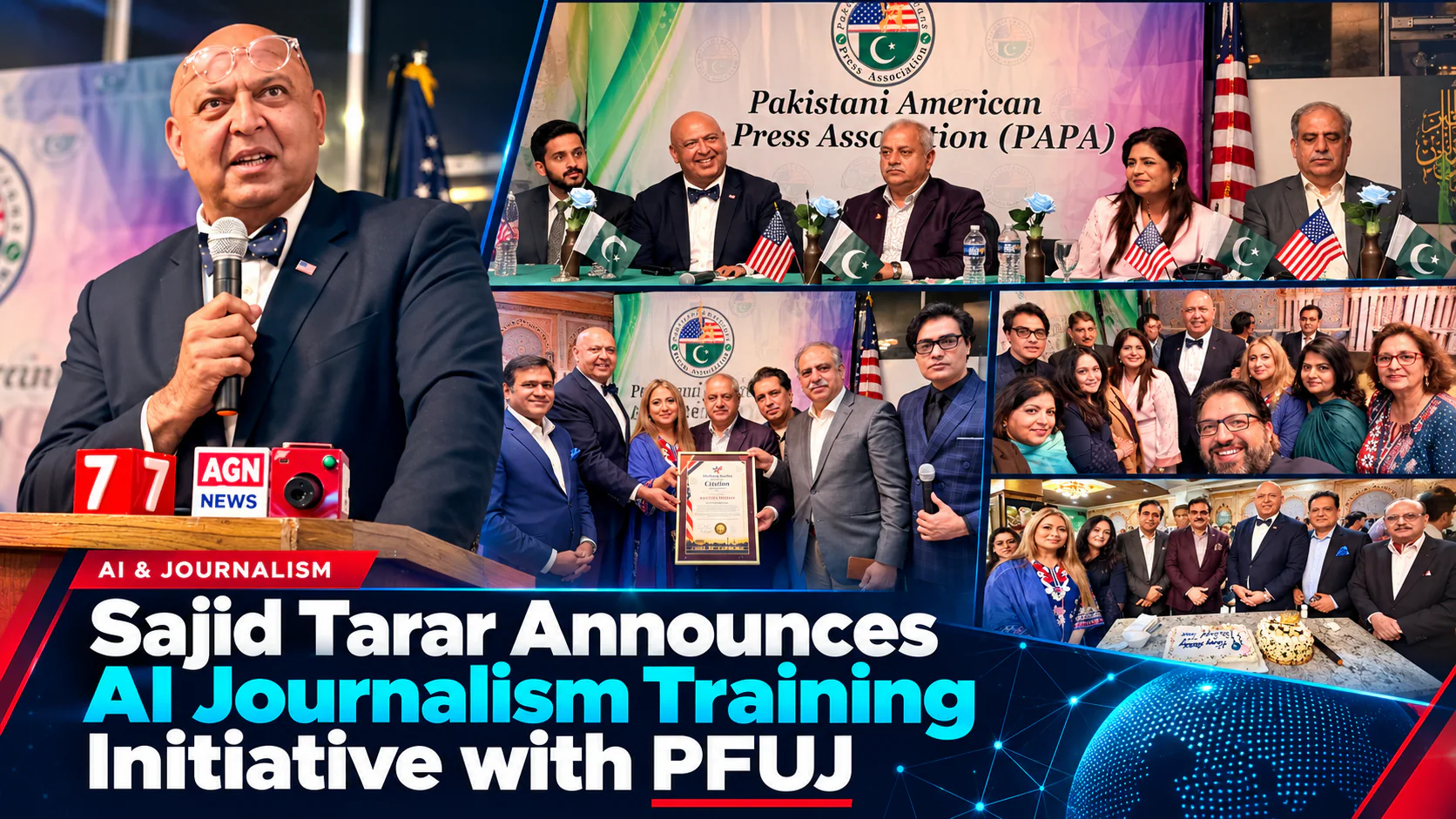
WASHINGTON/NEW YORK — Muslims of America and the Pakistan Federal Union of Journalists (PFUJ) have announced a proposed artificial intelligence and journalism training initiative for Pakistani journalists and media professionals, with an initial workshop planned for Islamabad and a later expansion to the United States.
The initiative was announced at “Insight: UNGA 81st Session 2026,” a gathering organized by the Pakistani American Press Association (PAPA USA) in collaboration with Muslims of America. Visiting Pakistani journalists, media professionals, and members of the Pakistani-American community discussed coverage of the United Nations General Assembly, Pakistan’s diplomatic engagement, and the technological pressures reshaping journalism globally.
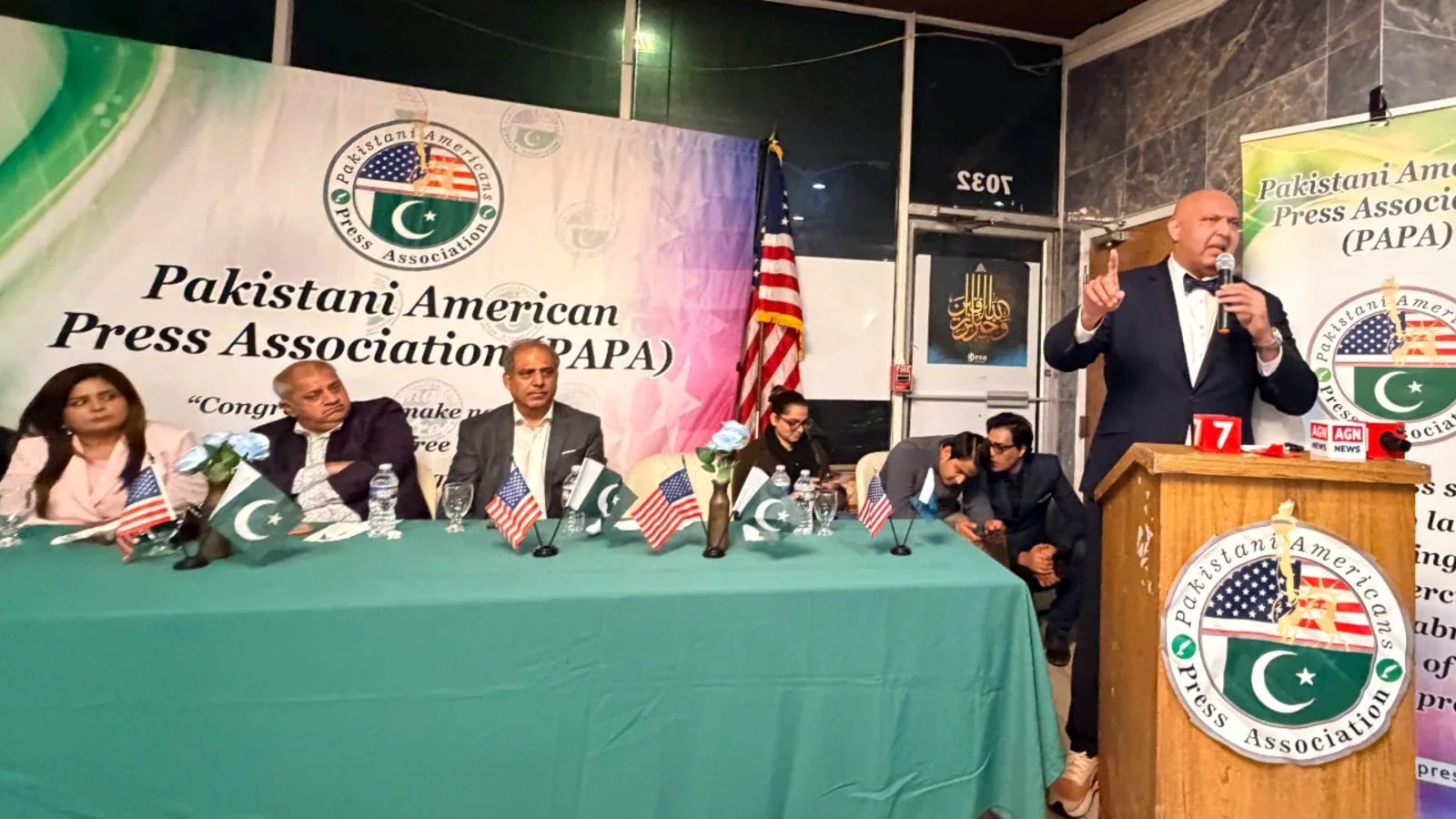
Dr. Sajid Tarar, founder and chairman of Muslims of America, said his organization would sponsor a comprehensive AI and journalism scholarship program in coordination with PFUJ. The first phase is described as a one-week workshop in Islamabad, followed by advanced training in the United States. The stated objective is to help Pakistani media professionals develop digital skills and strengthen professional exchange between journalists in Pakistan and the United States.
Emphasizing the critical need for modernization, Tarar stated,
In today’s rapidly evolving digital age, journalism is no longer just about reporting the news; it is about utilizing advanced tools like Artificial Intelligence to analyze data, verify facts, and compete on a global scale. Our journalists possess immense talent, and through this initiative with PFUJ, we aim to equip them with the technological edge they need to lead, rather than follow, in the international media landscape.
Tarar also discussed his observations of the UNGA, including the participation of international leaders, the Palestinian representation issue, and the address by Pakistan’s prime minister. He urged Pakistani-Americans to present a more unified national voice overseas and to look beyond partisan political affiliations when engaging on Pakistan’s behalf.
PFUJ President Afzal Butt emphasized the urgent need for Pakistani journalists to prepare for AI-driven disruption across the global media industry. He called for a dedicated, internationally recognized platform offering modern training, online education, and professional certification through sustained cooperation with U.S. institutions. Butt noted that without adapting to these technological shifts, local media risks falling behind international standards.
Senior journalist Nayyer Ali, reflecting on her experience covering the 81st UNGA, said Pakistan’s diplomatic environment appeared different amid wider regional and international changes. She also called for better facilitation of Pakistani journalists at the United Nations, including clearer daily agendas, structured briefings, and faster access to updates on Pakistan’s diplomatic positions, which would allow them to report more effectively on a global forum.
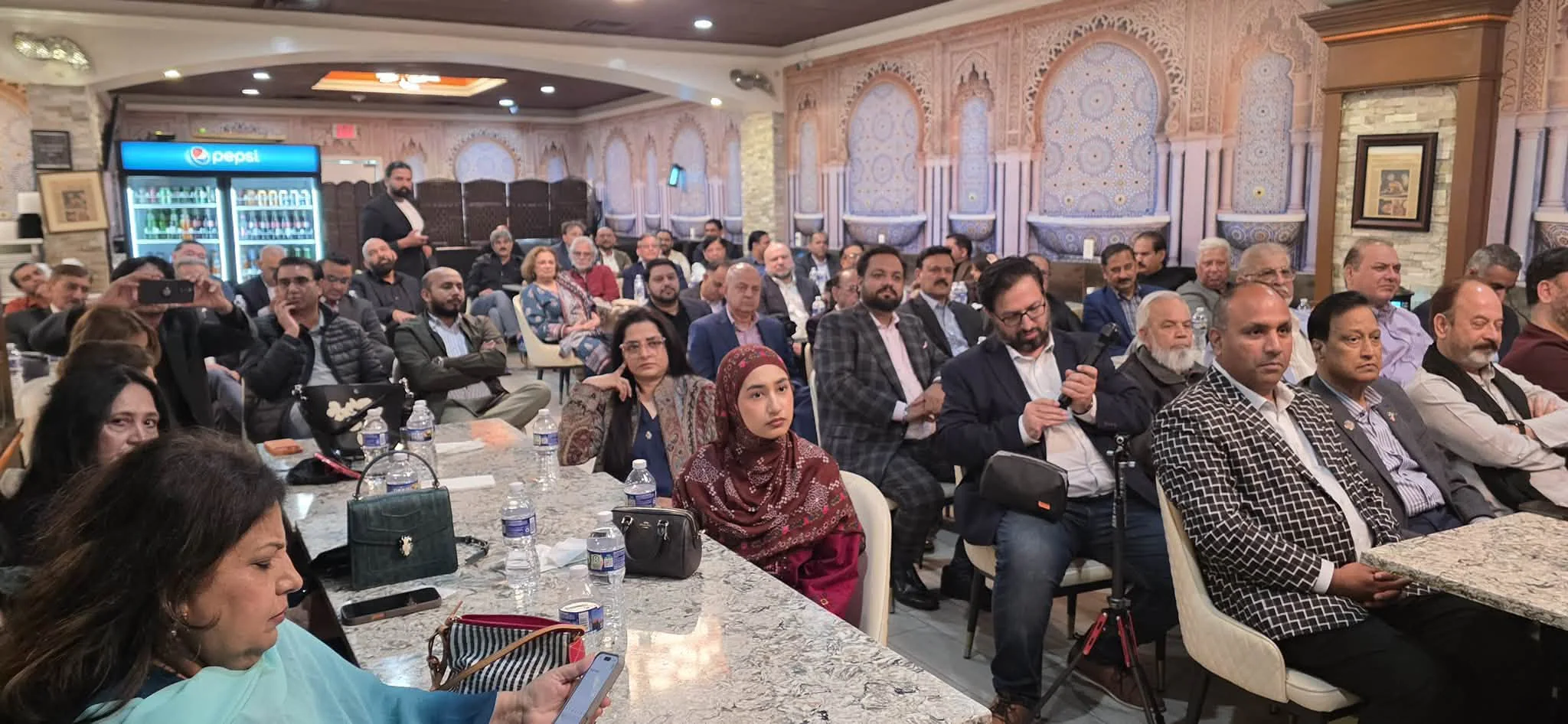
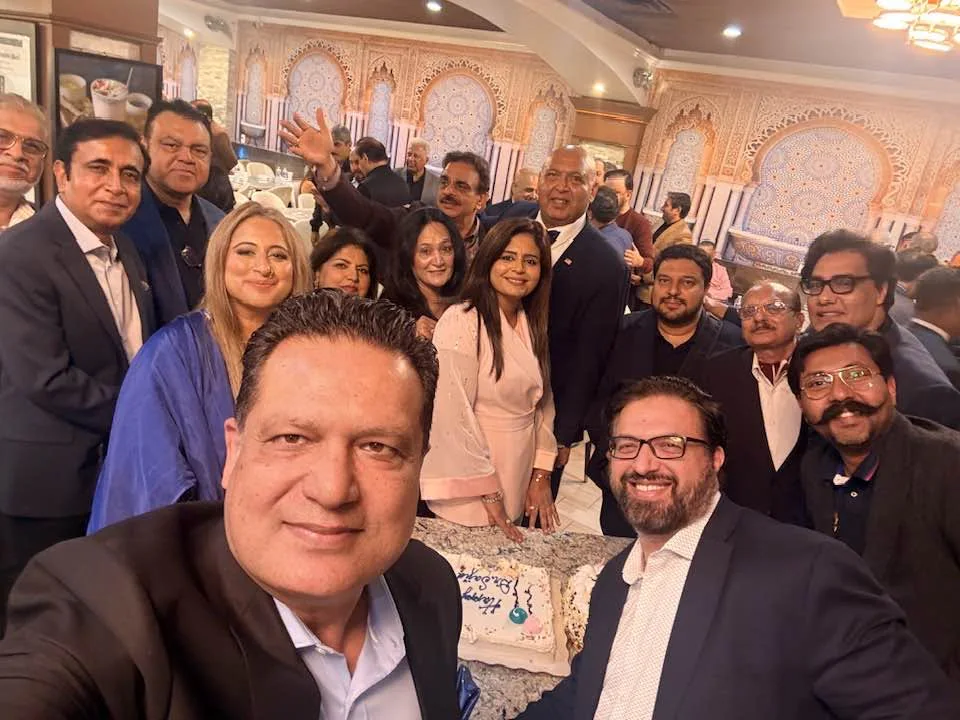
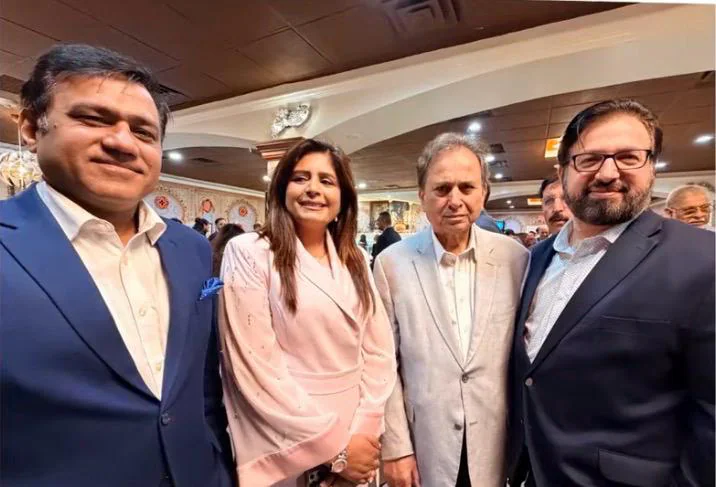
The gathering highlighted closer links between journalists in Pakistan and the Pakistani-American media community, fostering a sense of shared responsibility and professional solidarity. It ended with an awards ceremony in which visiting Pakistani journalists received official citations recognizing their professional contributions. The proposed Islamabad workshop is the initiative’s first stated step, but its funding terms, scholarship eligibility, timetable, and U.S. training partners were not detailed.