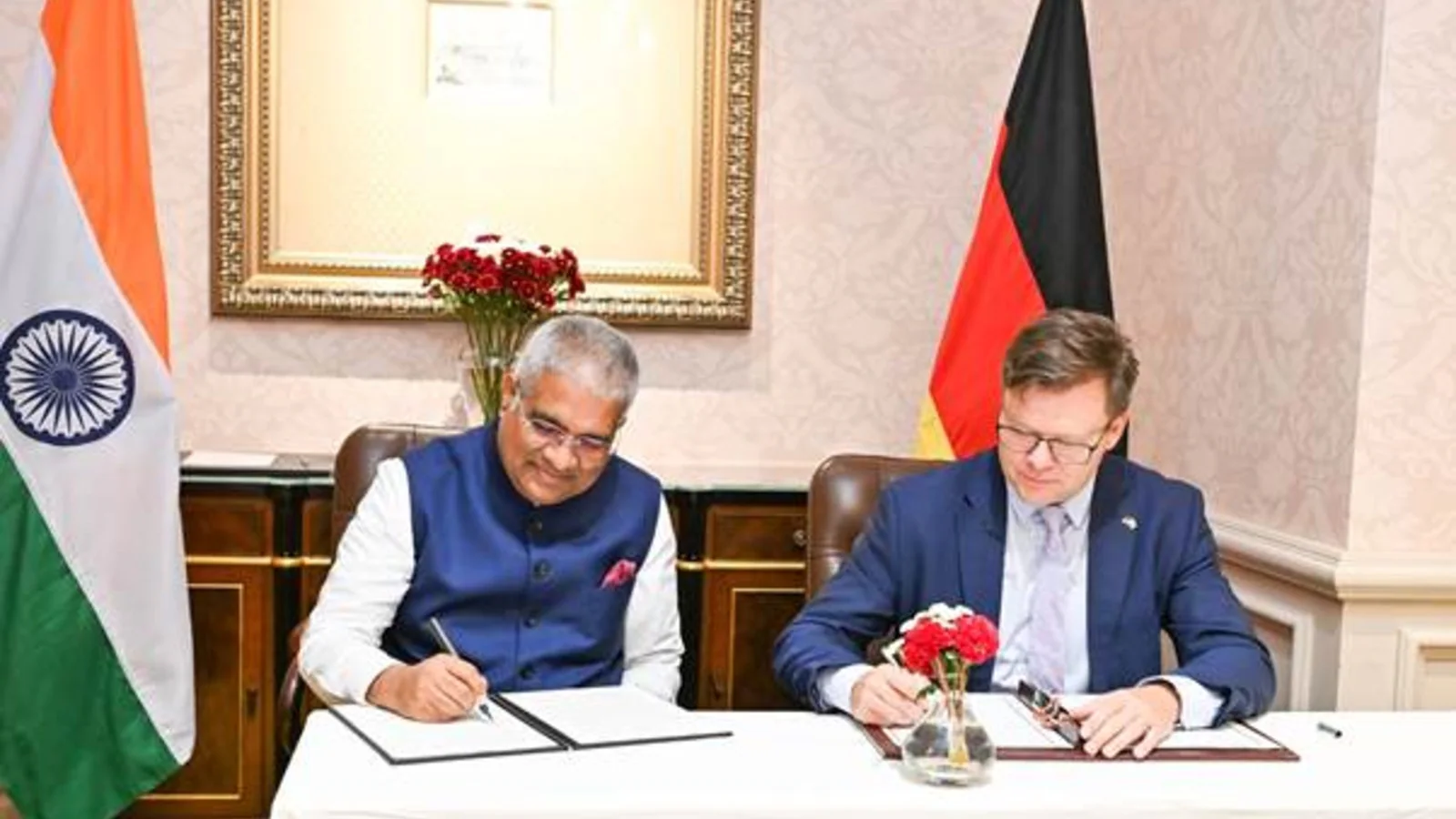
India and Germany signed a Joint Declaration of Intent on conserving and using internationally important wetlands wisely during the fourth Indo-German Environment Forum in New Delhi on September 1.
The declaration was announced by India’s Ministry of Environment, Forest and Climate Change after Environment Minister Bhupender Yadav and German Environment Minister Carsten Schneider co-chaired the forum. The meeting was organized around the theme “Together For More Resilience.”
The agreement gives the two countries a fresh bilateral platform for cooperation on wetland conservation at a time when climate adaptation, biodiversity protection and water resilience are moving higher in both domestic policy and international diplomacy.
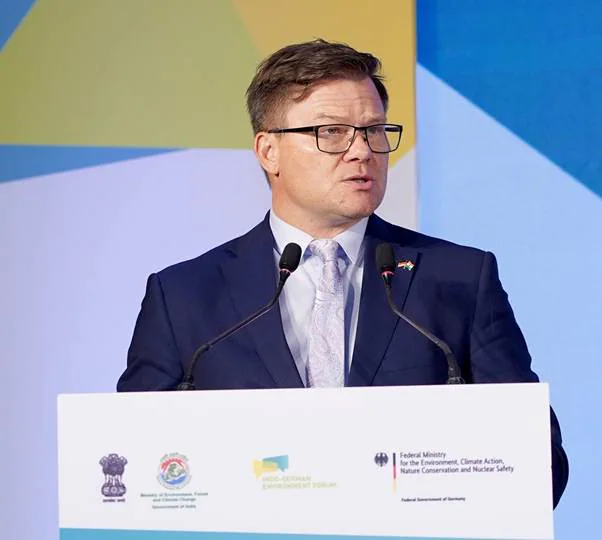
According to the Indian government’s release, the forum concentrated on low-carbon industry, biodiversity in wetlands, mountains and forests, circular-economy business models, sustainable finance, green skills and investment mobilization. Yadav called for practical, scalable approaches and stronger institutional capacity, arguing that climate change, biodiversity loss, pollution and resource depletion require coordinated solutions.
Schneider said Germany wanted to deepen its strategic partnership with India and described India’s renewable-energy expansion as a model for other regions. The ministers’ meeting builds on a relationship that the two governments said marks 75 years of diplomatic ties in 2026.
The wetlands declaration is the most concrete outcome announced from the forum. It links the broader bilateral climate conversation to an area where cooperation can involve ecological data, restoration techniques, institutional planning and community-level implementation.
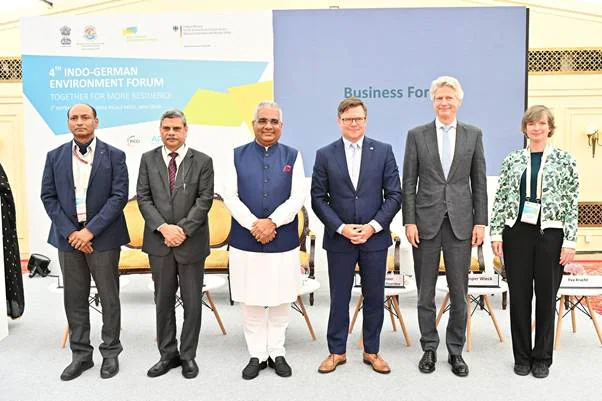
The gathering also brought government officials together with businesses, experts, think tanks and civil-society participants, reflecting an effort to connect environmental diplomacy with industrial transition and investment.
The declaration now gives India and Germany a defined conservation agenda to develop through their existing working groups on climate change, biodiversity and the circular economy.