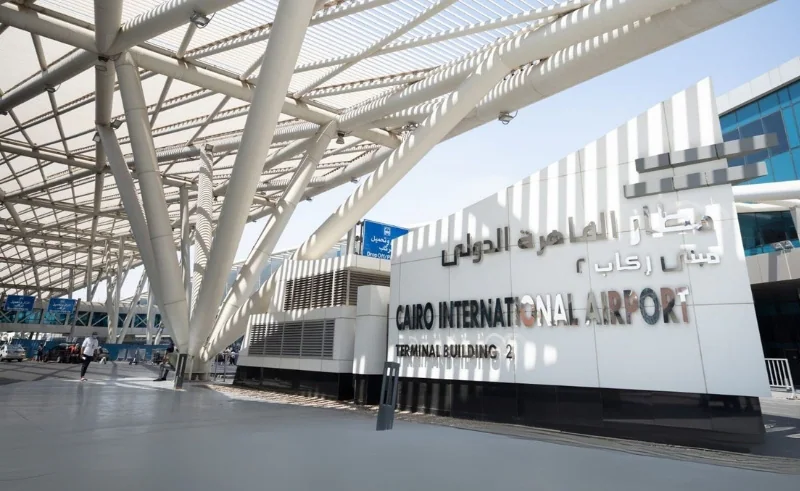
Egypt has moved Terminal 4 at Cairo International Airport from a long-running planning file to a fresh presidential directive, with President Abdel Fattah El-Sisi ordering that the new facility be built to the highest international standards of design, technology, sustainability and operational efficiency.
The proposed terminal is designed to handle about 40 million passengers annually, according to Egypt’s presidency. That would make it a major capacity addition at the country’s principal aviation hub, while supporting Cairo’s wider ambition to serve as a regional centre for aviation, transport and logistics.
Civil Aviation Minister Sameh El-Hefny said the scheme will use contemporary airport-design concepts built around artificial intelligence, digital transformation and a smart, sustainable operating system. The announcement does not specify which AI systems will be deployed, a construction budget or an opening date.
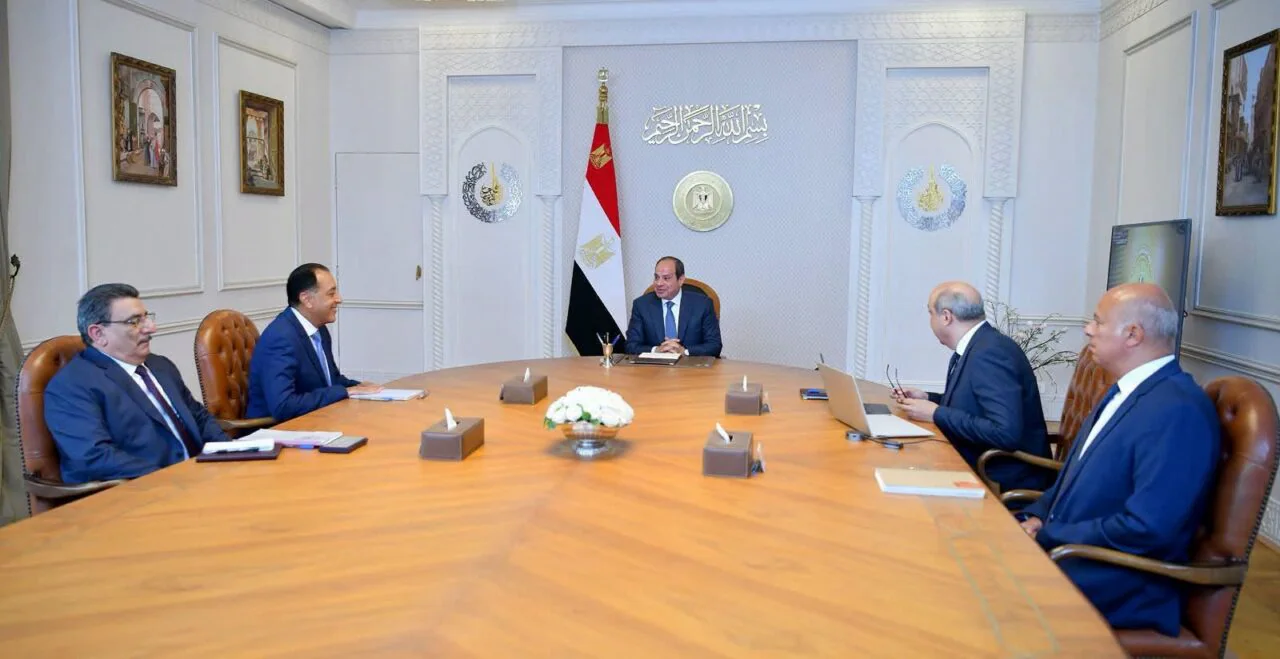
The directive emerged from an August 31 meeting between El-Sisi, Prime Minister Mostafa Madbouly, El-Hefny and the president’s financial adviser Ahmed El-Shazly. Officials also discussed wider airport-modernisation plans, including service quality, safety and security standards, and private-sector participation in airport management and operations.
The presidency said El-Sisi also called for integrated investment zones around Egyptian airports to help attract foreign direct investment. That links the terminal programme to a larger commercial strategy rather than treating Terminal 4 solely as a passenger-processing project.
Cairo Airport’s planned expansion has been discussed in earlier government updates, but the August 31 statement is a current directive that places a 40-million-passenger annual target and AI-led operational model at the centre of the project. The immediate next test is whether Egypt publishes a delivery timetable, financing structure and procurement pathway for the terminal.
For now, Terminal 4 is being framed as a future-facing gateway: high-capacity, digitally operated and designed to turn Cairo’s geographic position into a more competitive aviation platform.